Equipment Rental Website: What Should It Actually Help a Customer Do?
A photo of the equipment answers a question nobody was asking. The customer wants to know if it is available Friday and what it costs.
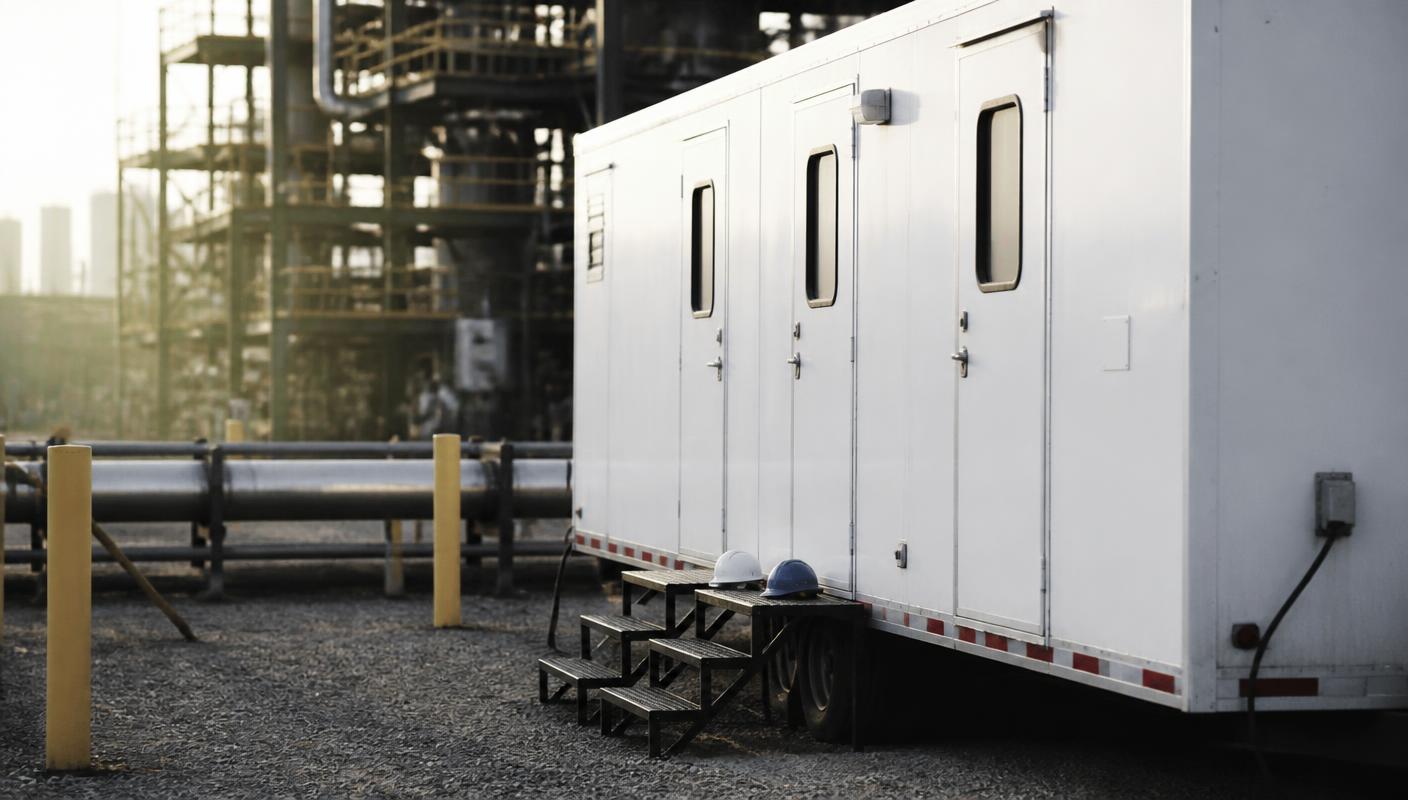
Most equipment and event rental websites read like a catalog. Photos of the trailers or the tables and chairs, a short description, maybe a phone number at the top. That answers what the company has. It does not answer the three questions a customer actually has before they book anything: is it available when I need it, what does it cost, and does it deliver to where I am.
The three questions an equipment rental website has to answer
A customer researching a rental is not browsing for fun. They have a date and a job that depends on the equipment showing up. A website that makes them call to find out if something is even available for that date has already lost some of them to whichever competitor's site answered the question directly.
- Availability for specific dates, ideally shown on the page itself rather than requiring a phone call to check
- Pricing that is either published clearly or produced through a fast, specific quote request, not a vague "contact us for pricing" page
- Delivery area and any delivery fees, stated plainly instead of discovered partway through a phone call
Why vague pricing pages cost more bookings than they seem to
A rental company that hides pricing to "start a conversation" is usually trying to protect margin on custom jobs. That instinct is reasonable for large or unusual rentals. It backfires for the routine ones, where a customer comparing three companies will simply move to the one that told them the number without making them ask.
What a reservation flow should actually do
The goal is not necessarily full self-serve checkout, though that works well for standardized items. At minimum, a reservation request should capture the date, the item or job type, and the delivery location in one short form, then route straight to whoever confirms bookings, rather than dropping into a general contact inbox that gets checked once a day.
Where this connects to search and reviews
A well-built rental site does double duty. The same specific, current content that helps a customer book also gives search engines and AI assistants something real to read and quote when someone searches for equipment or event rentals nearby. A generic homepage with no specifics does neither job well.
The structural fix
Build the website around the booking decision a customer is actually trying to make, availability, price, and delivery area, instead of around a general description of the fleet. Every question it answers on the page is one less call your team has to catch before the customer moves on.
Frequently Asked Questions
Should an equipment rental website show pricing?
In most cases, yes, at least for standard items. Hiding pricing entirely tends to push routine bookings to a competitor who answered the question directly, even when the intent is to protect margin on custom jobs.
Does a rental website need real-time availability?
It helps significantly. A customer who cannot tell whether equipment is free for their date is likely to call several competitors at once, and the company with visible availability has a head start in that comparison.
What information does a rental reservation request need to capture?
At minimum the date needed, the item or job type, and the delivery location, submitted in one short form that routes directly to whoever confirms bookings rather than a general inbox.
How does a rental company website affect delivery area confusion?
Stating the delivery area and any delivery fees plainly on the page avoids a customer discovering midway through a phone call that the company does not actually serve their location, which wastes time for both sides.
Does a better rental website help with AI search visibility too?
Yes. Specific, current content about availability, pricing, and service area gives AI assistants and search engines real information to quote, the same content a customer needs to book.
About the author
Krystal Gonzalez
Master of Science in Marketing, University of Colorado, with a specialization in high-tech entrepreneurial marketing.
Krystal Gonzalez leads revenue systems strategy at Cellara Growth Co, where answering, follow-up, reputation, and search systems for service businesses are designed, installed, and measured. Every Journal article is drawn from live client work and reviewed against primary sources before publication.