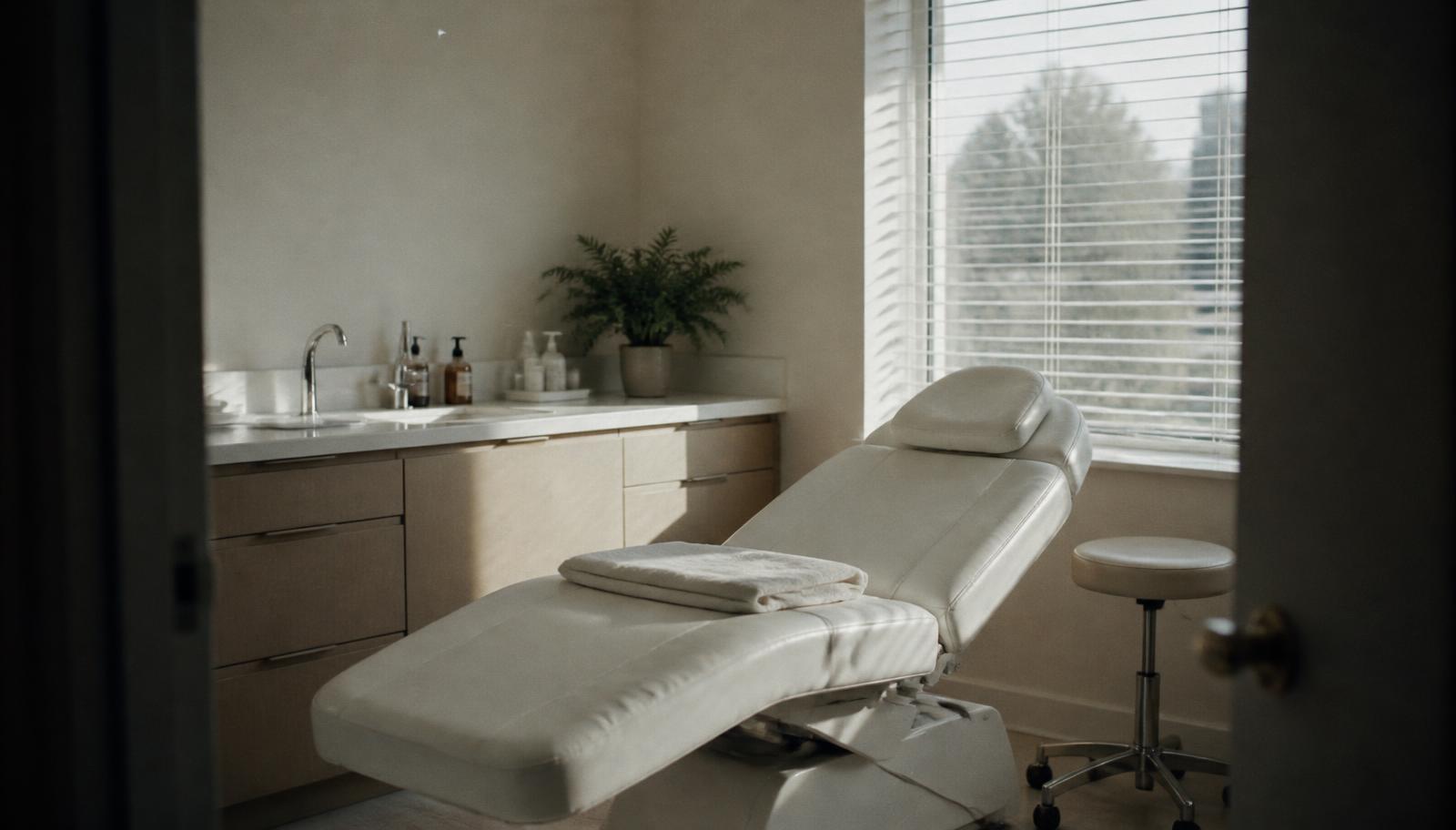
Should a Med Spa Use AI Answering for After-Hours Consultation Requests?
The moment someone decides to ask about a treatment rarely lines up with business hours. What happens between that decision and the next morning determines whether the practice ever hears from them.
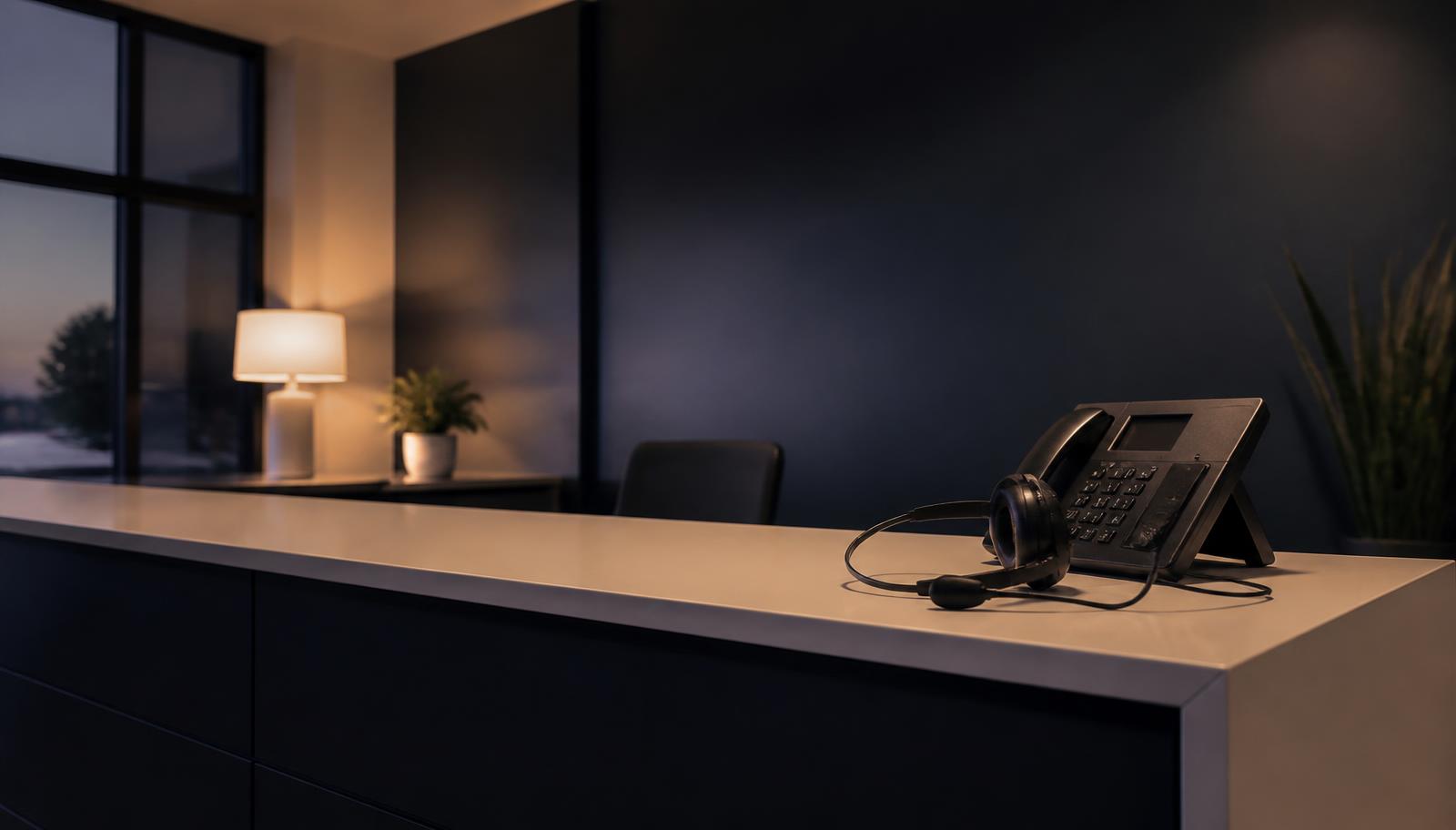
Someone considering a cosmetic treatment rarely decides at 10 a.m. on a Tuesday. More often it happens at night, scrolling before bed, or over a weekend after finally getting around to researching something they have thought about for months. If the only way to reach the practice at that moment is a phone line that rings through to voicemail, that decision has to survive until Monday morning, and for a lot of people, it does not.
This is a considered purchase, not an emergency, and that changes the stakes
A missed call for a home repair emergency has an obvious, immediate cost: the customer calls the next company on the list within minutes. A missed call about a consultation is quieter. The person does not necessarily call a competitor right away. More often, the moment of motivation just passes, and the research sits unfinished until something else prompts them to pick it back up, if anything does.
Where AI answering realistically helps
- Capturing basic interest and contact information the moment someone calls or messages, instead of losing it to voicemail
- Answering routine questions the practice already publishes an answer to, like what a consultation involves or how to prepare for one
- Getting a callback scheduled for the next business day, so the practice is reaching back out with a specific time instead of a cold return call
- Doing this every night and every weekend consistently, rather than depending on whoever happens to check voicemail early
Where it has to stop
Any question that touches on whether a specific treatment is right for someone, what results to expect, or anything about safety and side effects belongs with a licensed provider, not an automated system. This is not just a courtesy. A nervous first-time patient asking a real medical question deserves a real answer from someone qualified to give one, and getting that wrong is a trust problem a practice does not recover from easily.
After-hours coverage does not fix a daytime problem
If calls and messages already sit unanswered for hours during business hours, adding coverage for nights and weekends only patches part of the gap. The practices that get the most out of after-hours answering are the ones that already treat daytime response speed as a priority too, so the after-hours layer extends a standard that already exists instead of trying to make up for one that does not.
The structural fix
Treat after-hours coverage as an extension of how the practice already handles calls, not a separate fix bolted onto evenings. A system that captures interest immediately and hands off anything medical to a real provider keeps the decision alive until someone qualified can actually answer it.
Frequently Asked Questions
Is AI answering appropriate for a med spa or aesthetic practice?
For after-hours coverage and routine questions, yes. It should capture interest, answer logistics, and schedule a callback, while routing any question about treatment fit, results, or safety to a licensed provider.
Do patients actually research aesthetic treatments outside business hours?
Decisions to look into a cosmetic treatment commonly happen at night or on weekends, when someone finally has time to research something they have been considering, which is exactly when most practices have no one answering the phone.
What should AI answering never do for a med spa?
It should never answer specific medical questions about whether a treatment is right for a patient, what results to expect, or safety and side effects. Those answers need to come from a licensed provider.
Does a missed after-hours call always mean a lost patient?
Not necessarily, but it often means the moment of motivation passes. Unlike an emergency call, a missed consultation inquiry does not usually send someone straight to a competitor. It is more likely to just go unresolved.
Will after-hours answering fix a med spa's response problem if daytime calls are also slow?
Not on its own. After-hours coverage works best as an extension of a practice that already responds quickly during the day, not as a substitute for fixing slow daytime response.
About the author
Krystal Gonzalez
Master of Science in Marketing, University of Colorado, with a specialization in high-tech entrepreneurial marketing.
Krystal Gonzalez leads revenue systems strategy at Cellara Growth Co, where answering, follow-up, reputation, and search systems for service businesses are designed, installed, and measured. Every Journal article is drawn from live client work and reviewed against primary sources before publication.